
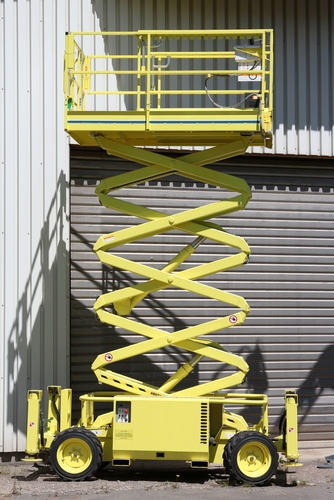
 With the Health and Safety Executive stating that working at height is still one of the biggest causes of workplace injuries or even deaths, it can be said with some certainty that yes, you should always have your team qualified for working at height. The easiest way to do this is to find your closest training facility – IPAF Training Newcastle, for example.
Ensuring you are qualified and competent enough to be working at height is the responsibility of both the employer and employee. Both parties have a legal duty to ensure that they are free from risk and that their actions do not endanger or cause risk to others around them.
Working at Height
There are a vast number of industries and vocations that require working at height training. For the most part, many people only need basic training, but for the majority who will spend a lot of time working at height, full training is highly recommended. Our IPAF Training in Newcastle involves vigorous, thorough training and control methods across a wide variety of situations that might take place in the workplace or on a job.
For Clarity
There are a number of issues surrounding working at height training that we believe needs addressing for clarity and general information.
- The CE Mark does not always guarantee safety. The CE mark denotes that an item meets the minimum requirements possible. When considering PPE and other items that are involved in working at height, it is always best to buy the very highest quality products that you can afford, not just the bare minimum. For example, with harnesses, the minimum requirements do not take additional factors into consideration, such as the use of tools which will be attached to the employee
- Every item of PPE clothing and tools of the trade should be subject to rigorous inspection and maintenance checks every time they are used. Wear and tear happens, but if you miss something, it could cause more damage in the long run. For example, a torn pocket on a hi-vis vest might look harmless. However, if it catches when working on scaffolding at height, you could be dragged backwards, out of control and potentially fall
- Training is always necessary, it is so much more than common sense. It is a set of protocols and procedures that are standardised with your safety in mind. When you know how to use, inspect and potentially repair PPE and how to manoeuvre safely while working at height, you will be complying with industry standards and be much less likely to injure yourself or be involved in an accident
If you would like more information on how to book places on the next available IPAF training course in Newcastle, please contact us today.